



-

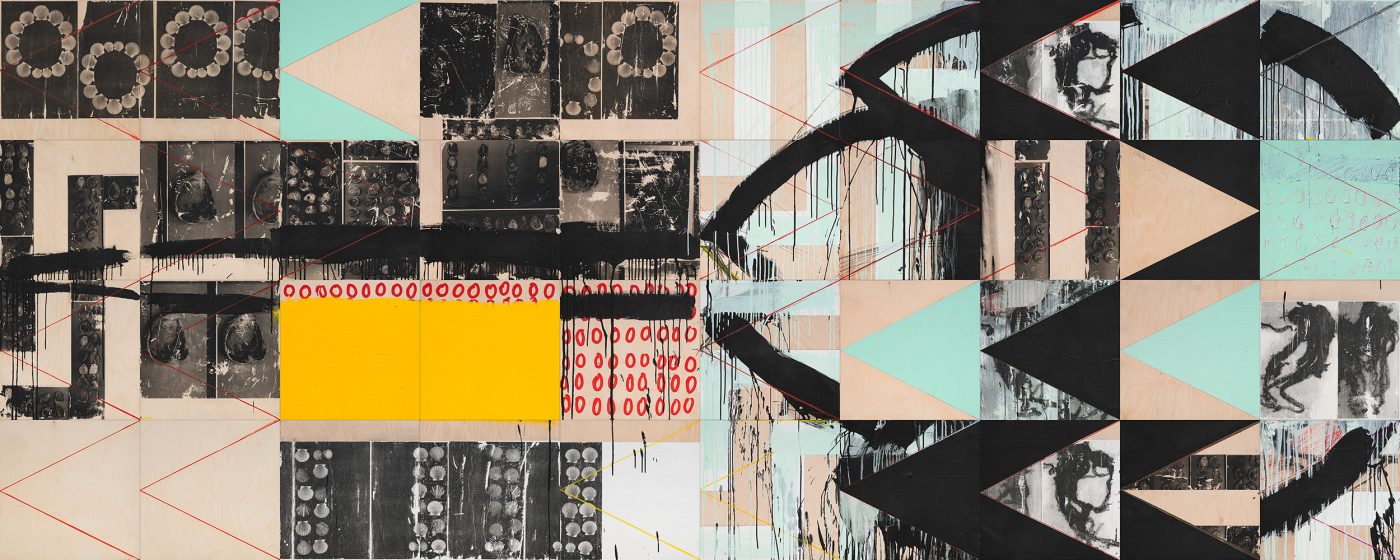
Sara Siestreem (Hanis Coos), SUGAR KELP, 2025, acrylic, graphite, Xerox on panel boards. 80 x 200 in. Courtesy the artist and Cristin Tierney Gallery, New York.
-

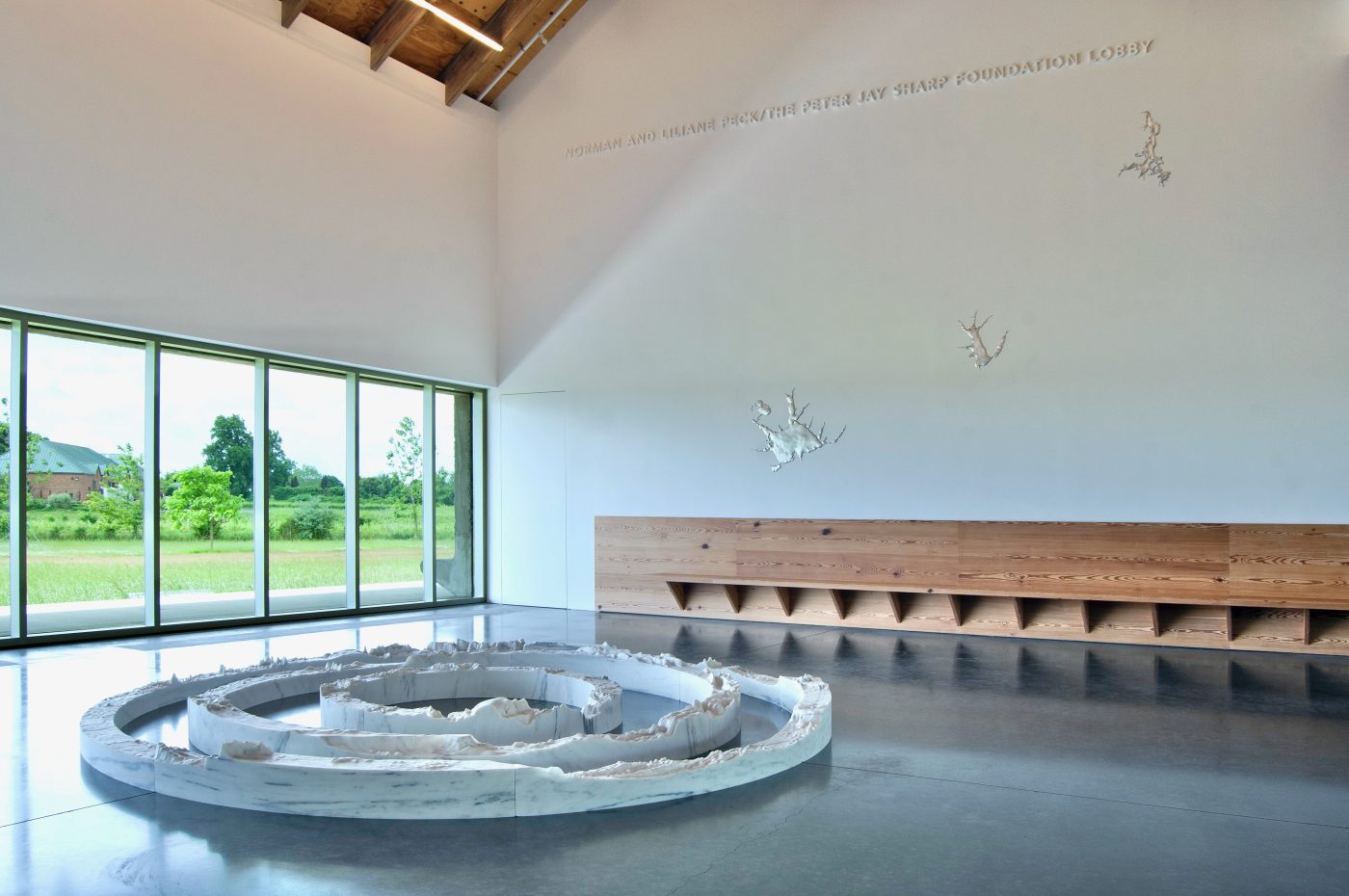
Installation view of Platform: Maya Lin at the Parrish Art Museum, Water Mill, NY (July 4–October 13, 2014). Photo: © Gary Mamay.
-

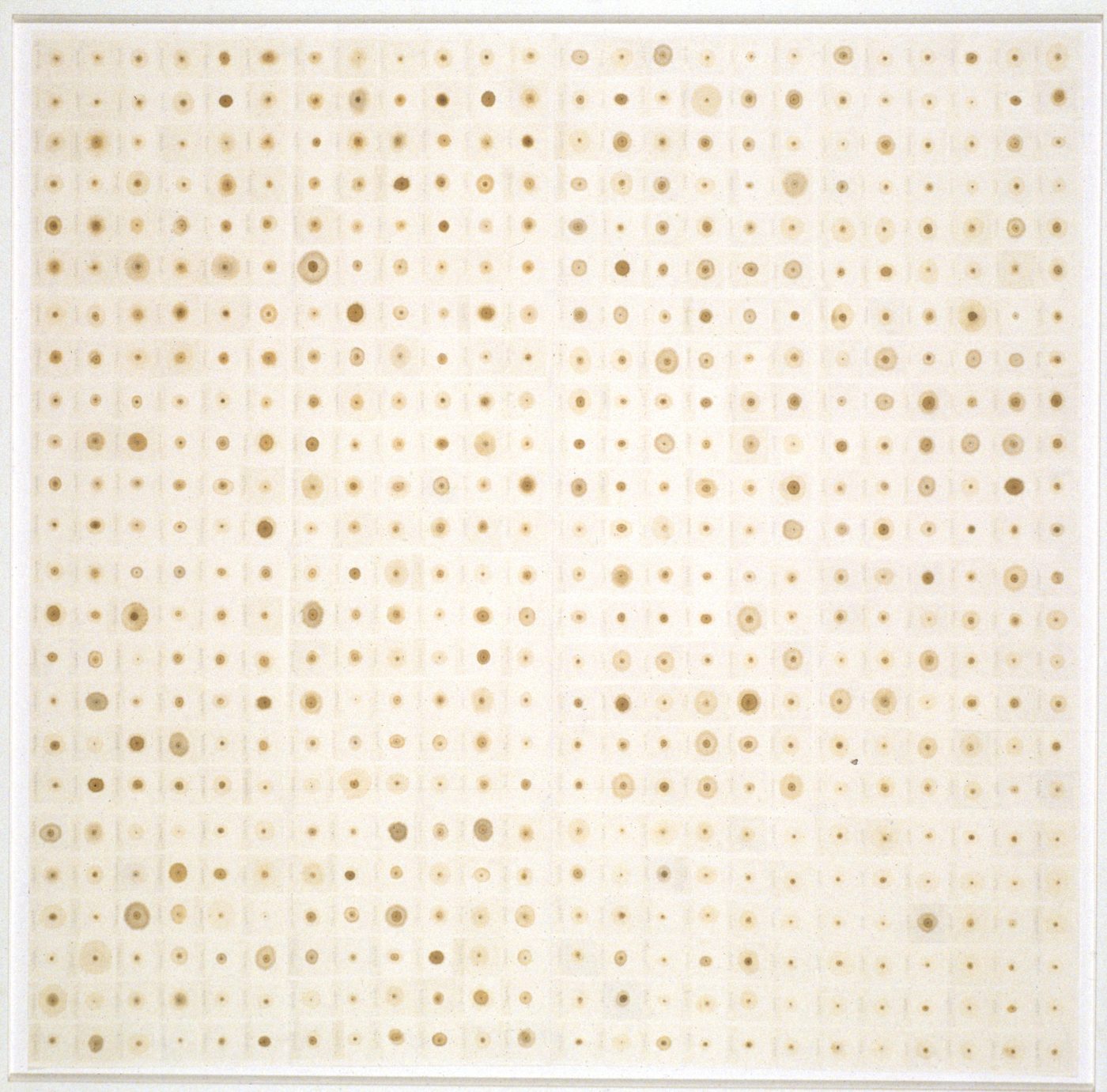
Michelle Stuart. Aquilegia, 1995–97, Aquilegia (columbine) seeds from Amagansett, New York, pencil, ink, rice paper, 55 ¼ x 54 ¼ in. © Michelle Stuart.
-

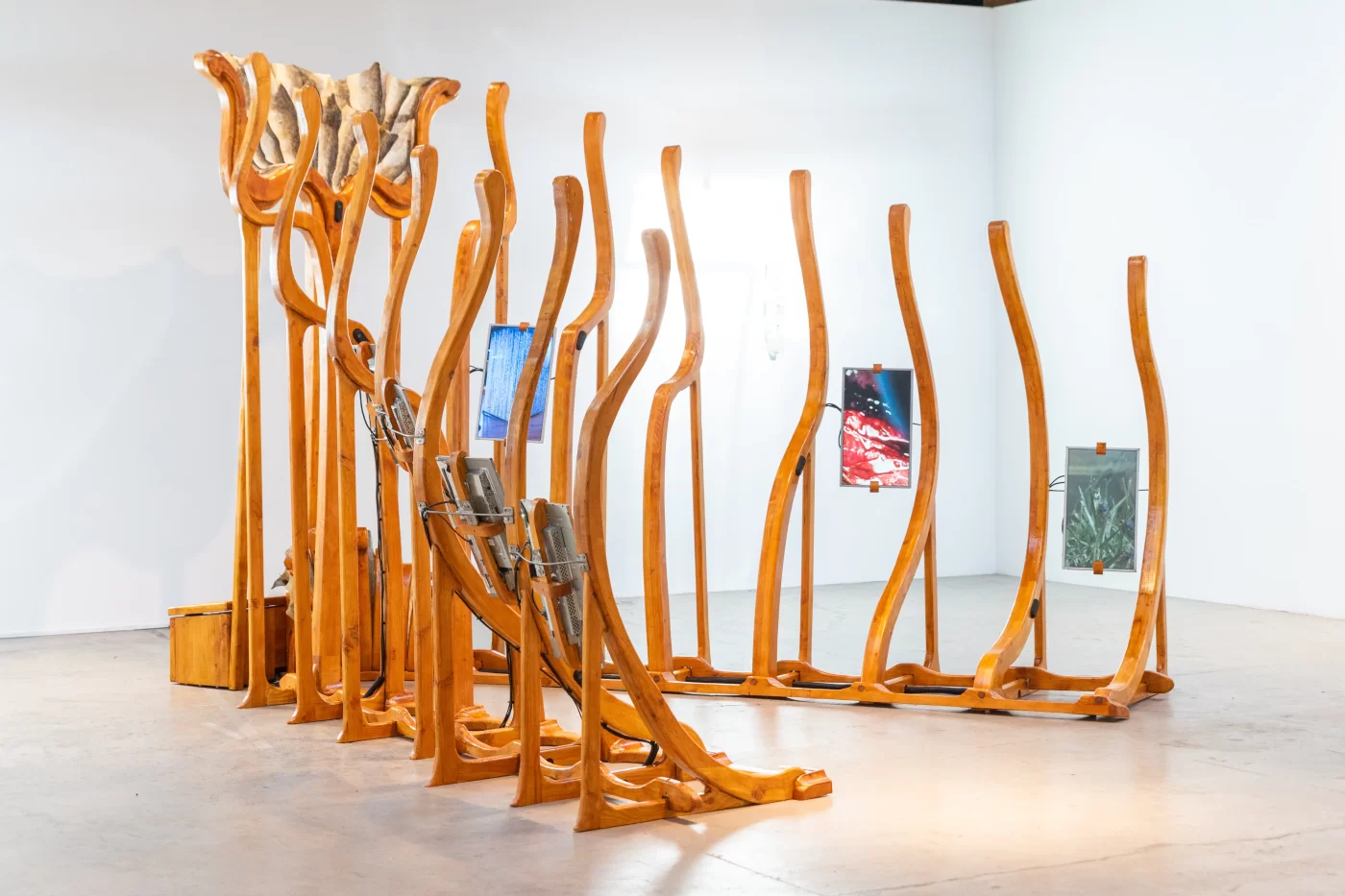
Sasha Fishman. I want to be wet, 2024, Douglas Fir, shellac, beer, salt, dried fish collagen, marshmallow, salmon eggs, glycerin, salmon scales, tanned salmon skin, egg yolk, Dawn, monitors, media players, speakers, beeswax thread; 7 channel video, color, sound, 5m30s. 9 x 11 x 12 ft. Courtesy of the artist. Photo: Josh Schaedel.
-

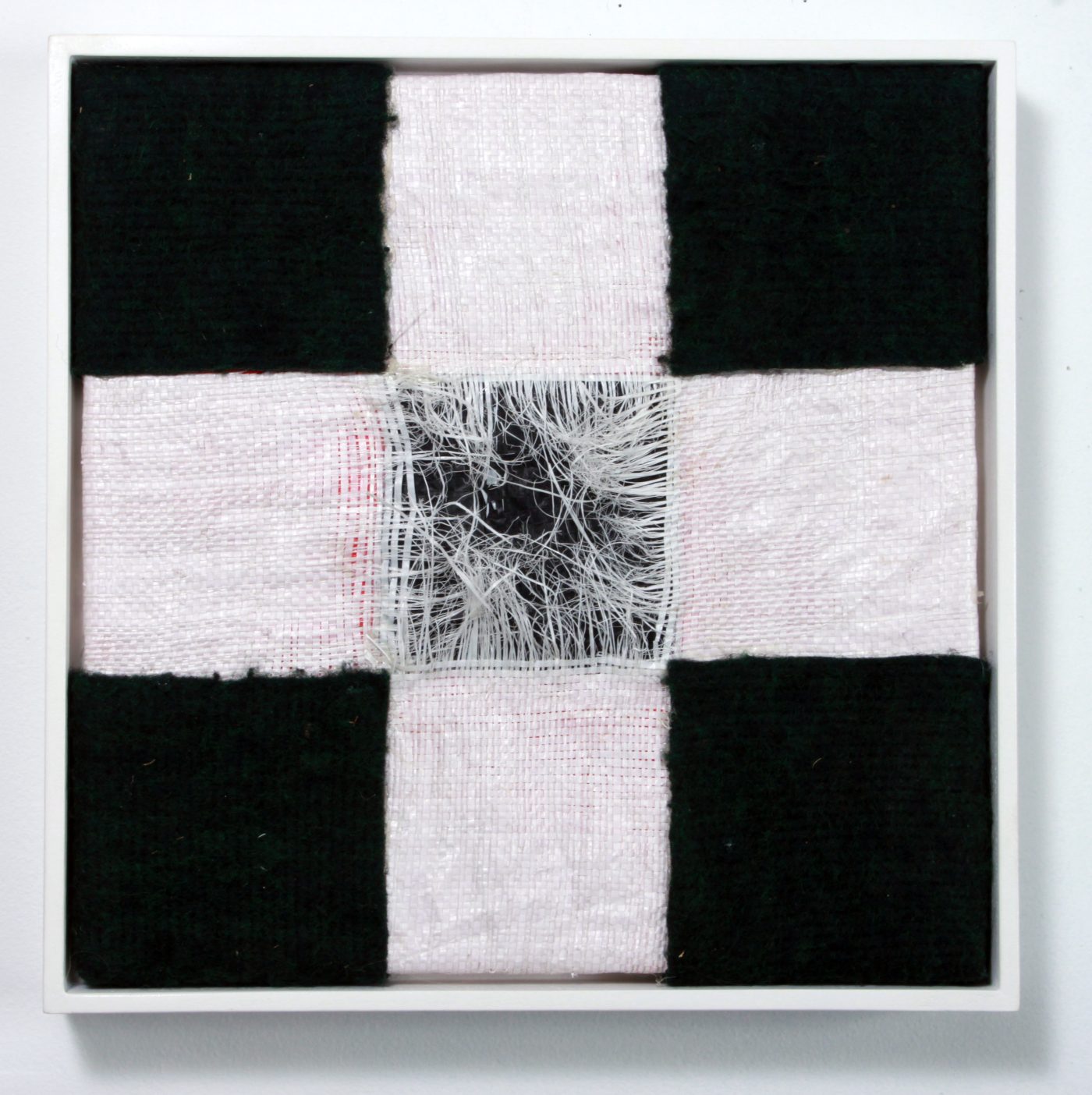
Cindy Pease Roe. Lost at Sea | Echoes of the Deep, 2023, reclaimed marine debris, 13 x 13 in. © Cindy Pease Roe. All rights reserved. Photo: Scott Nelson.
-

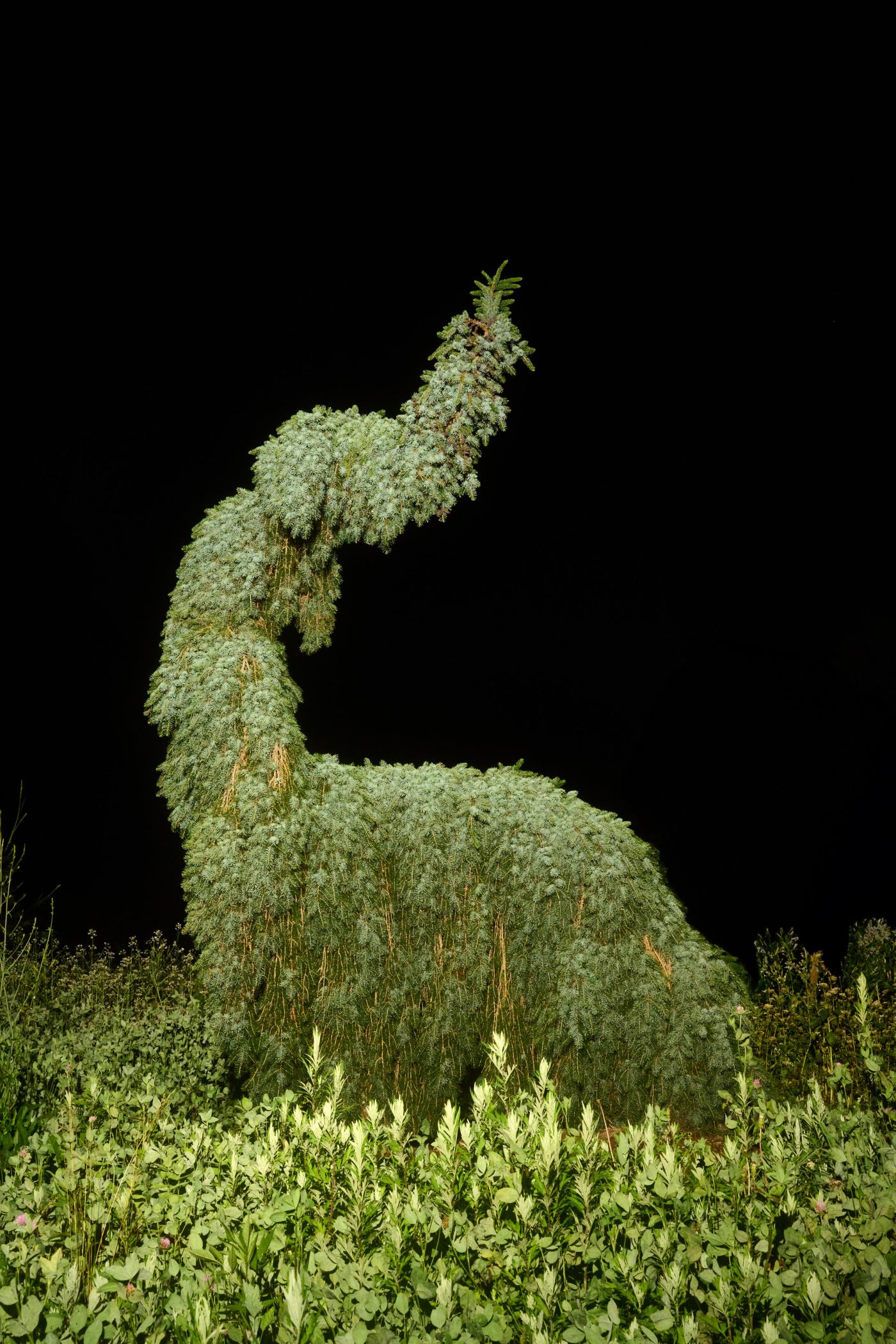
Tucker Marder. Picea omorika ‘Pendula Bruns’. Installed at the Folly Tree Arboretum, East Hampton, NY. Courtesy of Folly Tree Arboretum. Photo: Balarama Heller.
-

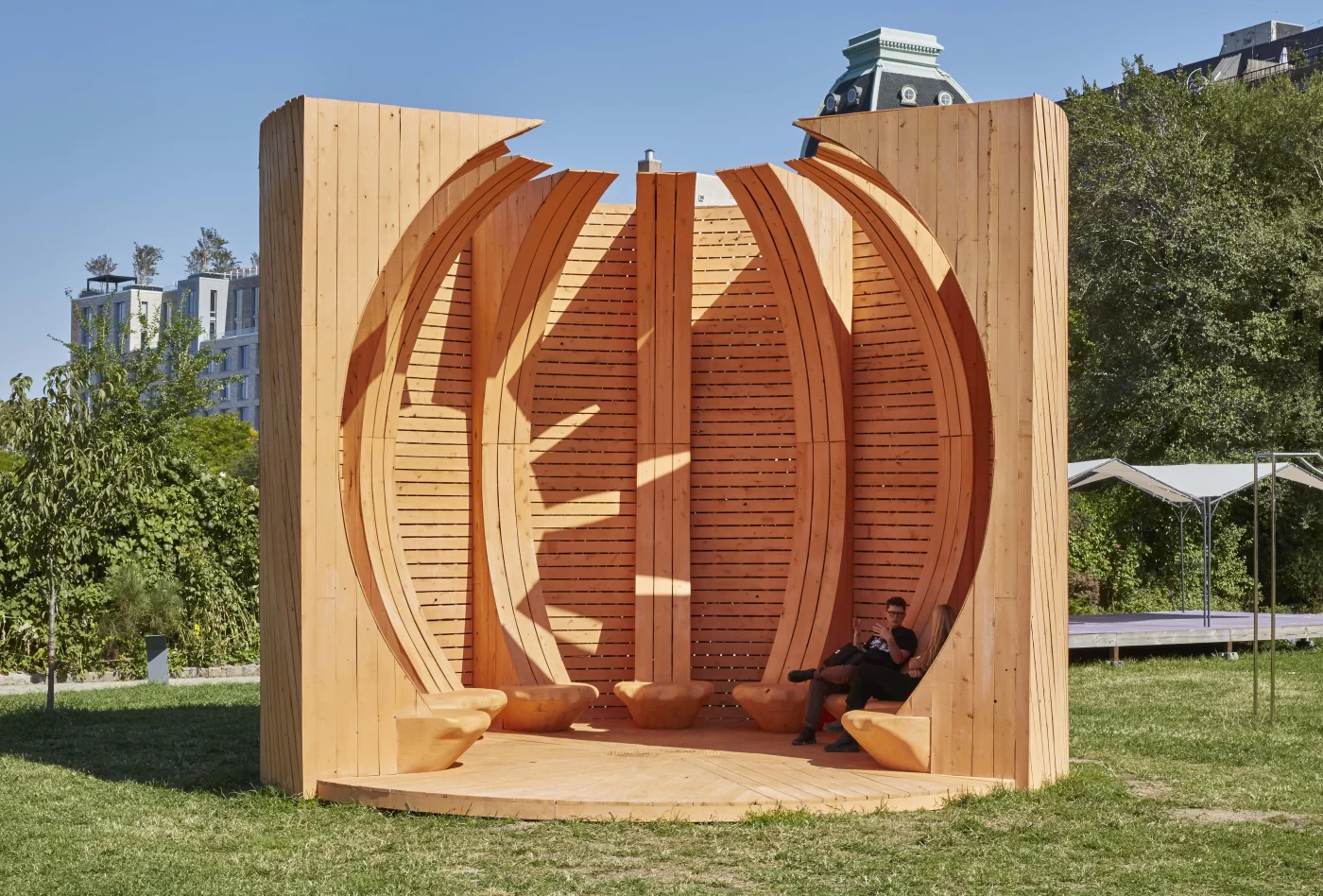
Randi Renate. Are we psychic coral-polyps?, 2022, cedar, casein paint, steel, 16 x 20 ft. Courtesy of the artist. Photo: Marc Tatti.
Long Island’s East End has long been a vital fishing and agricultural region, where communities have relied on the land and water for generations. Today, environmental shifts and pressures increasingly threaten these traditions. Regeneration: Long Island’s History of Ecological Art and Care responds to this urgency by showcasing works that emerge from the intersection of ecological art, environmental action, and community collaboration. The exhibition features eleven intergenerational artists with strong ties to Long Island and New York whose works stem from an active involvement with the environmental challenges that impact the East End. Addressing rising sea levels, depleted natural habitats, and ocean pollution, the artists approach these issues from a place of curiosity, hope, and shared responsibility, ultimately modeling alternative and restorative ways of engaging with the non-human world.
A focal point of the exhibition is a presentation of newly commissioned work by artist Sara Siestreem (Hanis Coos, b. 1976, Springfield, OR), made in collaboration with the Shinnecock Kelp Farmers, an intergenerational collective of Indigenous women who harness the ancestral tradition of seaweed harvesting to address nitrogen pollution in local waters. Drawing on her abstract mark making and interweaving Shinnecock and Hanis Coos cultural and ecological traditions, Siestreem’s paintings and ceramic sculptures will explore the Shinnecock Kelp Farmer’s project—in which restorative care is inextricable from grassroots activism and generative growth.
Regeneration will bring together other leading and emerging voices in ecological art whose work contributes to the broader conversation of place-based, restorative art practices. Jeremy Dennis (Shinnecock, b. 1990, Southampton, NY) will present works from his Sacredness of Hills series, which highlights the impact of land development and residential construction on Shinnecock sacred sites. Many of the artists, including Scott Bluedorn (American, b. 1986, Southampton, NY) and Cindy Pease Roe (American, b. 1959, Hackensack, NJ), integrate discarded materials into their work. Where Bluedorn works with reclaimed objects to illustrate the relationship between Long Island’s shifting ecology and the history of East Hampton’s “Bonac” fishing, farming and hunting culture, Roe constructs abstract assemblages from plastic waste and human-made debris that she and others collect from local shores.
Others engage directly with organic materials, including Michelle Stuart (American, b. 1933, Los Angeles, CA), whose “Seed Calendar” drawings chart the growth of seeds she collected in Amagansett. A co-founder of the Folly Tree Arboretum in Springs, Tucker Marder (American, b. 1989, Southampton, NY) combines puppetry, performance, and storytelling to illustrate the varied histories of the trees he tends to, fostering a deep sense of environmental responsibility. Mamoun Nukumanu (Earth, b. 1995, Southampton, NY) creates living biomorphic sculptures from various plant species that provide habitats to local flora and fauna populations; three of these works will be installed in the Parrish Meadow.
Several of the works are grounded in the artists’ respective scientific and ecological research, including Sasha Fishman (American, b. 1995, Baltimore, MD), whose sculptures and installations are informed by her research into marine biomaterials, toxicology, and natural alternatives to plastic. Early works by Earth artist Alan Sonfist (American, b. 1946, Bronx, NY) pair photographs of the region with biological materials collected from sites across the East End. Randi Renate (American, b. 1991, San Antonio, TX) draws on her oceanography background to create large-scale sculptures like Are we psychic coral-polyps? (2022). This work, which will be installed in the Parrish Meadow next spring, serves as a gathering place for visitors to converse and listen to podcasts on local regenerative water initiatives. Maya Lin’s (American, b. 1959, Athens, OH) recycled silver sculptures of three major Eastern Long Island waterways—based on data gathered from scientific mapping tools—trace the fragility of the regional ecosystem. Originally made for her 2014 Parrish solo presentation Platform: Maya Lin (2014), the work’s return to the Museum underscores how issues of sustainability have impacted this region over time.

Regeneration is part of the Museum’s USA250: Life, Liberty, and the Pursuit of Happiness, a year-long program organized in response to the United States’ semiquincentennial in 2026. The USA250 exhibition series will reflect on the nation’s history and founding values, examine our present moment, and imagine new ways of moving forward, while recognizing the contributions of regional artists to the broader landscape of American art and culture. Responding to language in the Declaration of Independence that states “life” as one of the inalienable rights, Regeneration explores our responsibility to the various forms of life that sustain us.
Regeneration is co-organized by Scout Hutchinson, The FLAG Art Foundation Associate Curator of Contemporary Art, and Corinne Erni, The Lewis B. and Dorothy Cullman Chief Curator of Art and Education.
Exhibition Support
Regeneration: Long Island’s History of Ecological Art and Care is made possible thanks to the generous support of Lois Whitman-Hess and Eliot Hess; the Robert David Lion Gardiner Foundation; Sandy and Stephen Perlbinder; and the Robert Rauschenberg Foundation. Additional support is made possible, in part, with public funding provided by the Suffolk County Department of Economic Development and Planning’s Office of Cultural Affairs.
We are also grateful to Cristin Tierney Gallery, New York, for their in-kind support.

The Parrish Art Museum’s programs are made possible, in part, by the New York State Council on the Arts with the support of Governor Kathy Hochul and the New York State Legislature, and by the property taxpayers from the Southampton School District and the Tuckahoe Common School District.